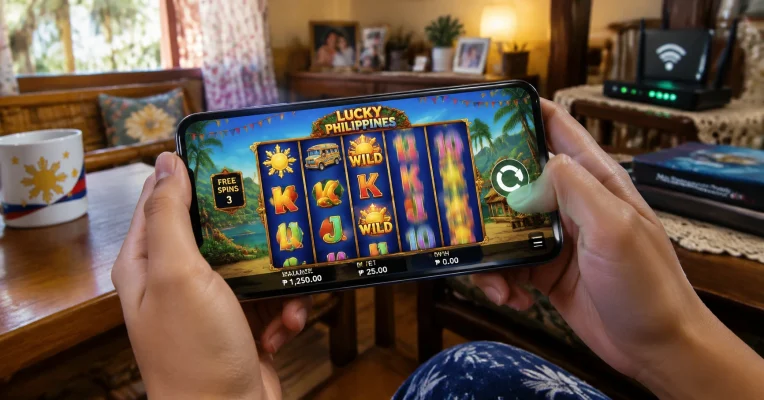
Explore the Exciting World of Spintime GCash
Explore the Exciting World of Spintime GCash
Contents
What is Spintime GCash?
How to Use Spintime GCash
Top Games in Spintime Featuring 32 Jili
Benefits o






 NEW
NEW
 HOT
HOT
 EVENT
EVENT

 HOT
HOT

 NEW
NEW

 EVENT
EVENT

A Filipino poker hub for players who want clear game navigation, practical strategy notes, and a faster way to check tables, formats, and promotions without digging through clutter. Built for late-night sessions, weekend play, and mobile-first routines that fit everyday life in the Philippines.
Brand positioning: this page helps you compare formats, understand poker hands, and move toward the right table with a cleaner read on the lobby. Sulit means less confusion, more useful game info.
Trust statement: poker information here is organized for clarity, not hype. Check the live lobby, current table rules, and current promotion terms before you sit down. Availability can change.

Use the hub to scan poker formats, compare session styles, and open the sections that matter most. That includes Texas Hold'em, tournament play, and mobile table notes for Philippine players.
Online Poker is a player-versus-player card game where you compete against other players, not the house, using betting rounds, card combinations, and position-based decisions. The final result of a single hand can still swing either way because the cards are incomplete information until showdown. That is why poker feels different from slots and from house-banked casino games.
Poker combines probability, position, betting pressure, and player behavior. A strong read can help, but it does not remove uncertainty. You may see a good hand, a bad runout, or a table that changes pace after one aggressive player joins. In a real poker room, tables and tournaments are organized by format, blind structure, and entry rules, so the lobby matters as much as the cards.
For Filipino players, that usually means a practical question first: do you want a short cash session after work, a Sit & Go during a break, or a longer MTT on the weekend? Once you know your time window, the rest gets easier to compare.
Your private starting cards. They are only visible to you and form the base of your decision-making.
Shared cards placed on the board. Players use them together with their hole cards to build a hand.
Your action order around the table. Acting later gives more information, but it never guarantees a win.
The total chips or money in the hand. Every bet, call, raise, or fold changes the pot shape.
Pre-flop, flop, turn, river, and showdown are the main checkpoints in Texas Hold'em.
The reveal stage. If more than one player remains, the best qualifying hand wins the pot.
Different poker formats create different rhythms. Some are built for quick decisions. Others reward patience and deeper planning. The cards below are a clean way to compare the main game types without overpromising what any one format can do.
Basic format: two hole cards and five community cards.
Game pace: steady and familiar for many players.
Strategy depth: medium to deep, depending on table style.
Typical session: cash play or tournament entry.
Mobile suitability: strong for portrait play and quick table checks.
Player preference: suitable for players who like board reading and position play.
Basic format: four hole cards with community cards on the board.
Game pace: action can feel faster because more draws appear.
Strategy depth: deeper hand selection and board awareness.
Typical session: players who enjoy more complex decision trees.
Mobile suitability: good, though board reading needs extra attention.
Player preference: may appeal to players who like stronger draw analysis.
Basic format: no community board in the same way as Hold'em.
Game pace: slower and more observation-heavy.
Strategy depth: high, especially when tracking exposed cards.
Typical session: patient players who enjoy memory and table observation.
Mobile suitability: reasonable, but the format asks for more concentration.
Player preference: suitable for players who enjoy classic poker structure.
Basic format: a reduced deck version with adjusted hand values.
Game pace: lively and swingy in many lobbies.
Strategy depth: medium to deep because hand values shift.
Typical session: players who want a quicker, more dynamic feel.
Mobile suitability: strong if you already know the hand rules.
Player preference: may appeal to players looking for a fresh variant.
Basic format: a tournament that starts when the table fills or the lobby opens it.
Game pace: usually shorter than a full MTT.
Strategy depth: medium, with strong value in stack management.
Typical session: break-time play or a short evening session.
Mobile suitability: very practical for mobile poker users.
Player preference: suitable for players who want a defined session length.
Basic format: multi-table tournament with blind levels and structured progression.
Game pace: longer and more endurance-based.
Strategy depth: deep, especially near bubble and final table stages.
Typical session: weekend poker or night sessions with more time.
Mobile suitability: good if you can stay focused for longer stretches.
Player preference: may appeal to players who enjoy tournament climbing.
Basic format: chips represent active table balance instead of tournament life.
Game pace: flexible, with players joining or leaving by table rules.
Strategy depth: steady and practical, with stack control in focus.
Typical session: short or long depending on budget and time.
Mobile suitability: strong for quick access and controlled sessions.
Player preference: suitable for players who want flexible entry and exit.

Many players recognize this format from WSOP, WPT, PokerStars, and GGPoker communities, but lobby availability and table conditions still depend on the current site setup.
Texas Hold'em uses two hole cards and five community cards. The hand moves through pre-flop, flop, turn, river, and showdown. Players build the strongest five-card hand using the available hole cards and community cards according to table rules. That means every street matters. A hand can improve, stay flat, or lose value as the board changes.
Position is one of the biggest ideas in Hold'em. Early Position acts first and sees less information. Middle Position has a little more room to adjust. Late Position, especially the Dealer Button, acts with more context and can make more informed decisions. The blinds are forced bets that keep the action moving and create a pot to fight for.
Common betting actions include check, bet, call, raise, and fold. None of them are magical. They simply shape the hand based on the board, stack sizes, and the players still in the pot.
A tournament is an event where players buy in for a set entry and compete until the field is reduced. Blind levels usually rise over time, so stack pressure becomes part of the strategy.
A Sit & Go starts when the table is ready or when the lobby opens the event. It is often chosen by players who want a shorter session and a cleaner time commitment.
Multi-table tournaments can run longer and may require more focus. Players often need to manage chips across several stages, from early levels to the final table.
Blind levels, starting stack, registration period, re-entry, late registration, payout structure, and final table all affect how the event plays.
Tournament terms vary by event and current poker lobby. Check the live schedule, because availability and structures may change without notice.
Cash Games work differently from tournaments. Blinds usually remain fixed for the selected table, players may join or leave depending on table rules, and chips represent the player's active table balance. If you sit down with a buy-in, you can leave with your remaining balance when the table rules allow it.
This format often appeals to players who want a flexible session. You can play a short burst during a break or stay longer if the table rhythm makes sense. Budget guidance matters here. Set a table limit first, keep your entertainment spend separate, and avoid moving stakes upward just because a session felt unlucky.
Cash Games are not automatically easier, and they are not automatically safer. The right choice depends on your patience, bankroll control, and how much time you want to spend at the table.
Cash Game difference: tournament chips are tied to event survival, while cash-game chips are tied to the table balance and the current table rules.
| Hand | Simple meaning | Short note |
|---|---|---|
| Royal Flush | Ace-high straight flush. | The top-ranked standard hand in common poker formats. |
| Straight Flush | Five consecutive cards of the same suit. | Very strong, but still depends on the exact board. |
| Four of a Kind | Four cards of the same rank. | Also called quads in table talk. |
| Full House | A three-of-a-kind plus a pair. | Often strong in Hold'em runouts. |
| Flush | Five cards of the same suit. | Suit matching matters more than sequence here. |
| Straight | Five consecutive ranks. | Card suits do not need to match. |
| Three of a Kind | Three cards of the same rank. | Useful, but board texture still matters. |
| Two Pair | Two different pairs. | Common enough that kicker strength matters. |
| One Pair | One pair of matching ranks. | Often a showdown hand, not always a winner. |
| High Card | No made hand above a single card. | Usually the weakest showdown value. |
Hand rankings may be familiar across common poker formats, but game rules and qualifying conditions should still be checked for the table you join.
What it means: choosing which hands to enter before the flop.
Why it matters: weak starts create difficult spots later.
Common mistake: playing too many hands from any seat.
Practical application: tighten up early and widen carefully from better positions.
What it means: acting earlier or later in the betting order.
Why it matters: later action gives more information.
Common mistake: ignoring seat order and betting the same way everywhere.
Practical application: use late position to make cleaner value and bluff decisions.
What it means: comparing the cost to continue with the potential reward in the pot.
Why it matters: it helps you avoid calling blindly.
Common mistake: treating pot odds like a guarantee.
Practical application: check whether the price to call fits the board and your draw.
What it means: choosing how much to bet or raise.
Why it matters: size changes pressure, value, and protection.
Common mistake: using the same size for every hand.
Practical application: vary sizing based on board texture and opponent type.
What it means: representing strength when your hand is not currently strong.
Why it matters: it can win pots without showdown.
Common mistake: bluffing every time the hand goes wrong.
Practical application: use it as a situational decision, not a requirement for every hand.
What it means: betting when you think weaker hands may call.
Why it matters: it is a core way to build pots with strong holdings.
Common mistake: checking too often when value is available.
Practical application: target hands that can still pay you on later streets.
What it means: watching betting habits, timing, and showdowns.
Why it matters: patterns help you make better guesses.
Common mistake: only watching your own cards.
Practical application: note who folds too much, who calls too wide, and who changes pace.
What it means: separating poker money from essential household expenses.
Why it matters: it protects your budget and your decision quality.
Common mistake: chasing a loss with a bigger stake.
Practical application: set a session cap, a stop-loss, and a clear exit point.
What it means: noticing when emotion starts steering your actions.
Why it matters: tilt often leads to rushed choices.
Common mistake: staying in the lobby after frustration builds.
Practical application: take a break when decisions start feeling forced.
What it means: handling quick table action without losing track of the session.
Why it matters: mobile poker can move quickly on small screens.
Common mistake: tapping too fast and missing bet sizes.
Practical application: pause, read the pot, and confirm the action before you act.
A large promotional percentage is not always more sulit if the wagering, table restrictions, or withdrawal conditions are difficult to complete. Read the terms first, then decide if the offer fits your session style.
| Format | Skill Level | Game Pace | Strategy Depth | Bankroll Pressure | Player Traffic | Session Length | Mobile Fit | Recommended Player |
|---|---|---|---|---|---|---|---|---|
| Texas Hold'em | Beginner to advanced | Steady | Medium to deep | Moderate | Depends on lobby | Flexible | Strong | Popular Starting Point |
| Omaha | Intermediate+ | Active | Deep | Moderate to high | Varies by schedule | Flexible | Good | Deep Strategy |
| Sit & Go | Beginner to intermediate | Quick to moderate | Medium | Controlled | Usually event-based | Short | Very strong | Fast Session |
| MTT | Intermediate+ | Long | Deep | Higher | Check current tables | Long | Good | Tournament Focus |
| Cash Game | Beginner to advanced | Flexible | Medium | Flexible | Depends on lobby | Any | Strong | Flexible Session |
Player traffic changes with time of day, schedule, and current lobby activity. Check the live tables rather than assuming the same flow every night.

Filipino players often open tables on the phone first, then decide if they want a longer session on desktop later. That makes mobile navigation, battery use, and connection stability worth checking early.
Mobile Poker is a big part of how many Filipino players access tables. Android Poker and iOS Poker can both work well if the device is stable, the lobby is easy to read, and the connection stays steady. Browser-based Poker is useful too, especially if you prefer not to install extra apps.
Portrait navigation is usually the easiest starting point on a phone. Landscape table view can help when you want a wider read on the action. Just remember that multi-table play on mobile can get messy quickly, so keep the session simple if you are on a smaller screen.
Practical habits matter. Use the official domain, avoid saving passwords on shared phones, keep the device charged, and check data usage before a longer session. If your network is slow or unstable, avoid changing connections during an active hand when possible.
Close unused apps before a longer night session.
Private Wi-Fi or a stable mobile signal usually feels cleaner than switching networks mid-hand.
Log out after the session and keep transaction references for your own records.
Avoid storing passwords on phones used by family or friends.
Welcome Bonus, Registration Bonus, Deposit Bonus, Reload Bonus, Poker Cashback, Tournament Ticket, Freeroll, Payday Promotion, Weekend Bonus, and Loyalty Reward all sound attractive, but the details matter more than the headline. Always check the minimum deposit, wagering requirement, eligible poker games, eligible tables, tournament restrictions, expiry date, claim method, withdrawal restrictions, and ticket validity.
For this page, the promotion navigation points to View current poker promotions. If you want to register first, the fallback registration path is Create an account. Use the live promotion page to confirm what is active right now, because offers can change with the season, payday timing, or weekend event schedule.
Promotion practical tip: a smaller offer with simpler terms can be more useful than a bigger percentage that is hard to clear. That is especially true for players who prefer short mobile sessions instead of long grinding sessions.
When the calendar gets busy, poker promos often lean toward weekend events, birthday rewards, payday offers, and loyalty perks. VIP systems may also add tier-based gifts or faster account handling, but the details depend on the current lobby and the published terms.
Poker works best when the page helps players compare formats quickly. A clean layout is not just nice to have; it saves time when the lobby is busy and the player wants to move fast.
That is why this hub keeps the main game types, hand rankings, and payment notes visible without making the page feel like a sales pitch.
Short Sit & Go formats may suit players looking for more predictable session lengths, while MTT events often require a longer time commitment.
Mobile-first poker habits are common in the Philippines, especially for commute breaks, lunch breaks, and night sessions after work.
Weekend and evening tournament schedules may attract more attention from Filipino players who have more uninterrupted time.
Payday activity also tends to influence promo browsing, especially when players compare weekend offers, cashback terms, and loyalty rewards.
Fast table actions can make spending and decision quality harder to track. Take regular breaks and review the session total.
Promo sensitivity is real, but privacy and account safety should come first. Keep login details private, use secure connections, and avoid shared-device risks.
Late sessions often need clearer limits, because tired decisions can get expensive quickly.
Many players like familiar wallet flows, but they still need to confirm account-name matching and verification steps.
Sit & Go suits quick play. MTT suits longer concentration. Cash Games sit in the middle for flexibility.
Tier benefits can be useful if the rules are clear, especially for players who value account support and special gifts.
Prepare your account details before deposit or withdrawal. Account-name matching may be checked, and a transaction reference number can help if support asks for proof.
Processing time may vary. Check the cashier for current limits and verification requirements.
Use the wallet that matches your registered name if possible. Keep a copy of the reference number and confirm whether extra verification is requested.
Availability depends on the selected method and the current cashier setup.
Have your bank details ready and watch for possible delays during busy periods. Some transactions may need additional checks before they are completed.
Check the cashier page for current limits and method-specific notes.
Confirm the account name, keep your reference number, and review the cashier instructions before you send funds or request a payout.
Processing time may vary and verification may be requested.
Other wallet options, if shown in the cashier, should be checked for limits, eligibility, and possible withdrawal restrictions before use.
Availability depends on the selected method.
Start with the order of the hands and the showdown rule. Once you know what beats what, the rest of the table makes more sense.
Compare Texas Hold'em, Omaha, Sit & Go, MTT, and Cash Game. Pick a format that matches your time and attention, not just the headline.
Learn how acting earlier or later changes the amount of information you have. Position can shape your decisions, but it does not lock in a result.
Build a separate entertainment budget and set a single-table limit. Poker money should stay away from household expenses and essential bills.
Lower stakes can help you learn the interface and pace, but they do not remove risk. Use them to build comfort, not to chase a quick win.
Use session limits, loss limits, and cooling-off breaks. If the table stops feeling clear, step away and reset before you continue.
Set a clear amount before you start and stop when that amount is reached. Poker should be treated as paid entertainment, not a source of guaranteed income.
Decide how long you will play before the first hand. A time cap helps protect focus, especially during night sessions or long tournament runs.
Use a stop-loss and stick to it. A player should not increase stakes to recover a previous loss.
Pause when emotion starts driving decisions. A short break can be better than trying to force one more hand.
Do not use borrowed money for poker. Keeping the game inside a real entertainment budget protects both your finances and your judgment.
Log out after the session, avoid saving passwords on shared phones, and keep account access private. That matters just as much as table strategy.
Age restriction, account security, tilt awareness, bonus spending awareness, and tournament time commitment all deserve attention before you join a table.

Online poker is a player-versus-player card game where betting, position, and hand strength decide who takes the pot. On mobile, it is usually easier to start with one format and one table so the action stays readable.
Texas Hold'em gives each player two hole cards and uses five community cards on the board. Players build the best five-card hand they can from those cards, and the hand moves through pre-flop, flop, turn, river, and showdown.
A cash game uses table balance and fixed blinds for that table, while a tournament uses entry, blind levels, and elimination pressure. Cash games are flexible, while tournaments reward survival and stack management.
A Sit & Go is a tournament that begins when the lobby fills or opens the event. It is often a good fit for players who want a shorter session on Android, iPhone, or browser-based poker.
An MTT is a multi-table tournament that can run for a long time and move through several blind levels. It may suit players who have a weekend window or a longer night session available.
Poker hand rankings run from Royal Flush down to High Card. Knowing that order helps you decide when to continue, when to fold, and when a board texture has changed your hand value.
Position means when you act in the betting order. Acting later gives you more information, which is useful, but it does not guarantee a winning result on any single hand.
Pot odds are a basic way to compare the cost to continue with the potential reward in the pot. They help guide decisions, but they do not guarantee success on the next card.
No, bluffing is not required. It is a situational decision that can work in the right spot, but many hands are better played as value hands, folds, or controlled calls.
Yes, you can play on Android or iPhone if the site’s mobile lobby is available and your connection is stable. Browser-based poker can also work well when you want a lighter setup.
Yes, GCash and Maya may be available in the cashier depending on the current method list. Check the cashier for limits, account-name matching, reference numbers, and any verification steps before you send funds.
Keep poker money separate from essential expenses and set a session cap before you play. That approach helps you stay in control when the run is rough or when a tournament lasts longer than planned.


Use the poker hub to move from learning to action at your own pace. Browse poker games, review the current promotion page, and pick the format that fits your time today.
Explore the Exciting World of Spintime GCash
Contents
What is Spintime GCash?
How to Use Spintime GCash
Top Games in Spintime Featuring 32 Jili
Benefits o

Complete Guide to jiliplay888 com download for Filipino Gamers
Explore the Features
App Features & Benefits
Installation Steps
How to Download

binggo plus.ph: The Ultimate Online Gaming Experience in the Philippines
Explore binggo plus.ph
Features and Benefits
GCash Integration & Payment Opti
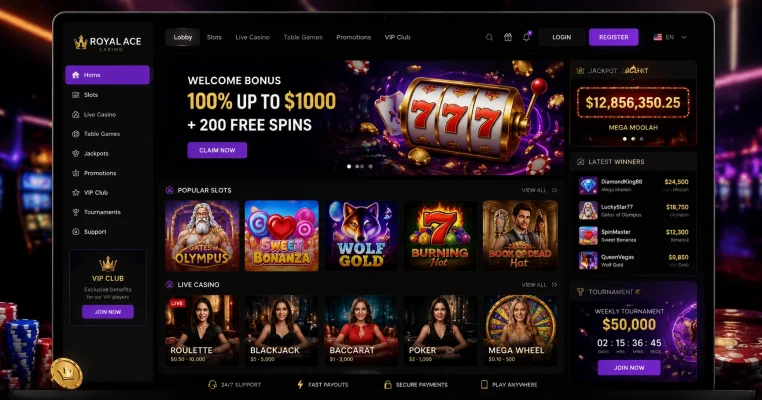
Understanding super jili777 and Its Popularity
Overview of super jili777
Features and Benefits
Gaming Experience and Popular Games
Top Games on super

Discovering the Exciting World of jili 50 online casino in the Philippines
Overview of jili 50 online casino
History and Background
Key Features
Game Sele
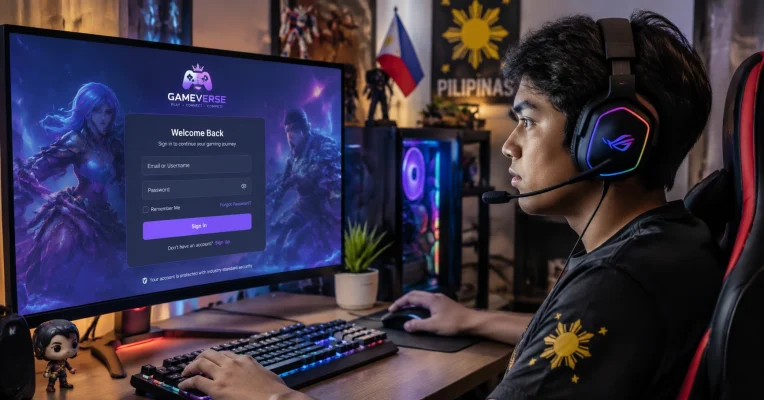
Understanding glife games login and Its Significance in Filipino Gaming
Section 1: What Is glife games login?
Definition and Overview
Importance for Filip